
Making Magical Memories in Retail
Updated: Mar 18
Reflections from my talk at In-Store Asia

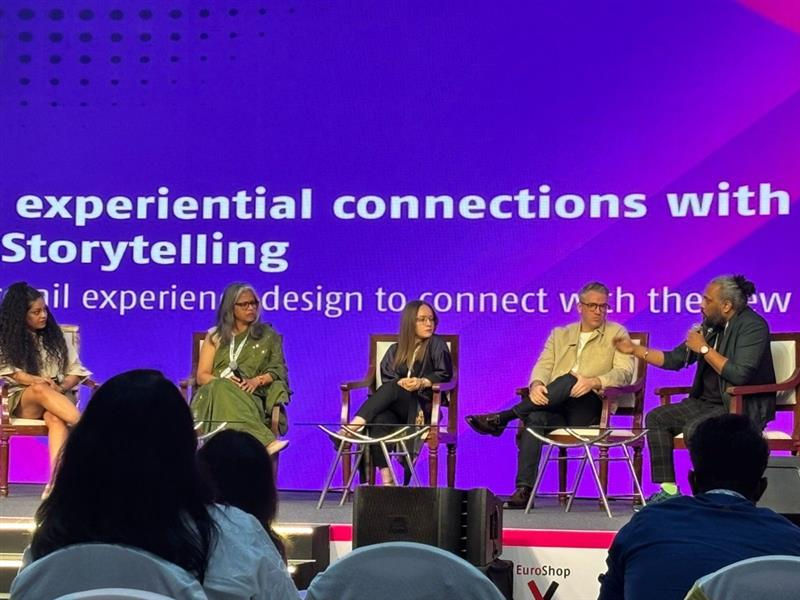
Recently, I had the opportunity to speak at In-Store Asia, where I joined an engaging discussion on “Making Magical Memories by Leveraging Storytelling and Customer Engagement.”
Retail today is no longer just about products on shelves. It is about creating moments, emotions, and experiences that customers remember long after they leave the store.
The conversations at the conference reinforced a powerful shift happening across the global retail landscape.
Here are my four key takeaways from the session.
1. Stores are evolving from shopping destinations to experience destinations
Retail spaces are undergoing a fundamental transformation.
Stores are no longer just places where customers buy products — they are spaces where customers explore, interact, and experience brands.
We are living in what many call the experience economy. Customers increasingly value memorable moments over transactions. The physical store therefore plays a crucial role in bringing a brand’s personality to life.
When designed thoughtfully, a store becomes a stage where the brand story unfolds through space design, visual merchandising, lighting, and customer interaction.
2. Technology is enabling immersive storytelling in retail
Today’s customers are digitally native and tech-savvy, and retailers are responding by blending physical and digital experiences inside stores.
Across the conference, several brands showcased how technology is enhancing storytelling through:
Interactive displays
Digital mirrors and smart fitting rooms
Projection mapping and immersive environments
Augmented and virtual reality experiences
These tools are not replacing physical retail — they are augmenting it. When used thoughtfully, technology transforms stores into immersive brand theatres where customers can engage with products in new and memorable ways.
3. Store staff are becoming listeners, not just sellers
One of the most interesting shifts discussed was the evolving role of store associates.
Traditionally, store staff were trained to sell. Today, the most successful brands are training them to listen first.
Store associates are becoming the human interface of the brand, gathering real-time insights about customer preferences, behaviors, and expectations.
By actively listening to customers, brands can continuously refine:
Store layouts
Product displays
Customer journeys
In-store storytelling
This approach turns the store into a live feedback loop, helping brands design experiences that truly resonate with customers.
4. Experience-led retail is expanding beyond fashion
While fashion and lifestyle brands have traditionally led experiential retail, the concept is now spreading across many industries.
Automobile brands, for example, are increasingly developing experience centres rather than conventional showrooms. These spaces focus on:
Storytelling around the brand’s heritage
Interactive product exploration
Lifestyle-driven engagement
The objective is no longer just to show the product, but to build an emotional connection with the customer.
The future of retail: creating magical moments
The biggest insight from the discussion was simple yet powerful:
Retail success will increasingly depend on the ability to create memorable experiences.
Customers may forget prices or promotions, but they rarely forget how a brand made them feel.
For retailers, this means focusing on:
Storytelling through space design
Meaningful human interaction
Technology-enabled immersion
Experience-driven environments
When these elements come together, stores become more than retail spaces — they become places where brands create magical memories.


Comments