
Making Experiential Connections Through Spatial Storytelling
Updated: Mar 18
Reflections from my panel discussion at In-Store Asia
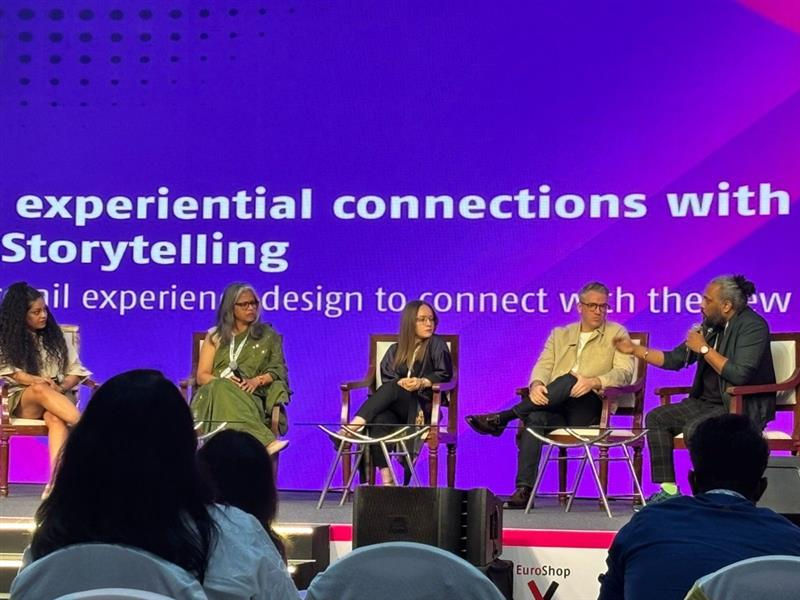
Recently, I had the opportunity to participate in a panel discussion at In-Store Asia, one of the most influential retail design and visual merchandising platforms in the region. The conversation centered around a powerful theme: “Making Experiential Connections with Spatial Storytelling.”
Retail today is undergoing a profound transformation. Stores are no longer just places where transactions happen. They are becoming immersive environments where brands communicate their identity, values, and narratives through space, design, and experience.
The discussion brought together perspectives from across industries, and it reinforced several important shifts that are shaping the future of physical retail.
Here are some of my key reflections from the session.
The Store is No Longer Just a Store
One of the most significant changes in retail is the evolution of the store as a destination for experience rather than just commerce.
Consumers today expect more than product availability. They seek inspiration, exploration, and engagement. The store environment therefore becomes a powerful storytelling medium where architecture, visual merchandising, lighting, and spatial design combine to create meaningful customer journeys.
When designed thoughtfully, retail spaces allow customers to step into the brand’s world rather than simply browse its products.
Spatial Storytelling is the New Language of Retail
Brands are increasingly using space as a narrative tool.
Instead of static displays, retailers are creating environments that guide customers through a story — from discovery to interaction to emotional connection.
Spatial storytelling may appear through:
immersive store layouts
curated visual merchandising moments
architectural frames and spatial cues
sensory elements like lighting, texture, and materiality
Each of these elements helps transform the store into a three-dimensional brand narrative.
Technology is Expanding the Storytelling Canvas
Another strong theme during the discussion was the integration of technology with physical retail spaces.
Modern retail environments are blending digital layers with physical design to create interactive experiences. Technologies such as digital displays, smart mirrors, projection mapping, and immersive installations are allowing brands to communicate their stories in more dynamic ways.
For today’s digitally native consumers, this integration creates seamless bridges between online inspiration and physical engagement.
Listening is Becoming the New Selling
A fascinating insight shared across the discussion was how the role of store teams is evolving.
Traditionally, store associates were trained primarily to sell products. Today, they are becoming listeners and experience facilitators.
Through their interactions with customers, store teams capture valuable insights about preferences, expectations, and emerging behaviors. These insights help brands refine the store environment, product presentation, and customer journey continuously.
In many ways, store associates are becoming the human interface of spatial storytelling.
Experience-Driven Retail is Expanding Across Categories
Experiential retail is no longer limited to fashion or lifestyle brands.
Industries such as automobiles, consumer electronics, and even services are adopting experience-center formats that focus on exploration, education, and engagement.
Instead of conventional showrooms, brands are building environments that allow customers to interact with products, understand brand philosophy, and build emotional connections.
Creating Magical Memories
The biggest takeaway from the conversation was simple but powerful.
The future of retail belongs to brands that can create memorable experiences rather than just efficient transactions.
Customers may forget a price or promotion, but they rarely forget how a brand made them feel in a space.
By combining spatial storytelling, immersive design, technology integration, and meaningful human interaction, retailers can transform stores into places where customers don't just shop — they connect, engage, and remember.
It was a privilege to share the stage with fellow industry leaders and exchange perspectives on how experiential retail is shaping the future of physical spaces.
Events like In-Store Asia remind us that retail design is not just about aesthetics — it is about creating meaningful connections between brands and people.


Comments